













Smart Homes: Luxury or the New Standard?

There was a time when the term “smart home” brought to mind remote-controlled curtains, touch panels, and high-budget projects. For many, these systems felt futuristic — even excessive. But today, we are compelled to ask a different question: Are smart homes truly a luxury, or have they become a natural part of modern living standards?
As someone who has been actively working in smart home technologies for years, I can confidently say this: smart systems are no longer about prestige — they are about necessity. When I founded Çeliker Technology, our core motivation was simple — to make technology something that simplifies life rather than complicates it.
Changing Living Dynamics
In recent years, the way we live has fundamentally changed. Our homes are no longer just places to rest; they have become offices, schools, social spaces, and the very center of our daily lives. This transformation requires our living spaces to be more functional, more efficient, and more intelligently managed.
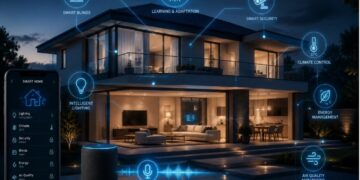
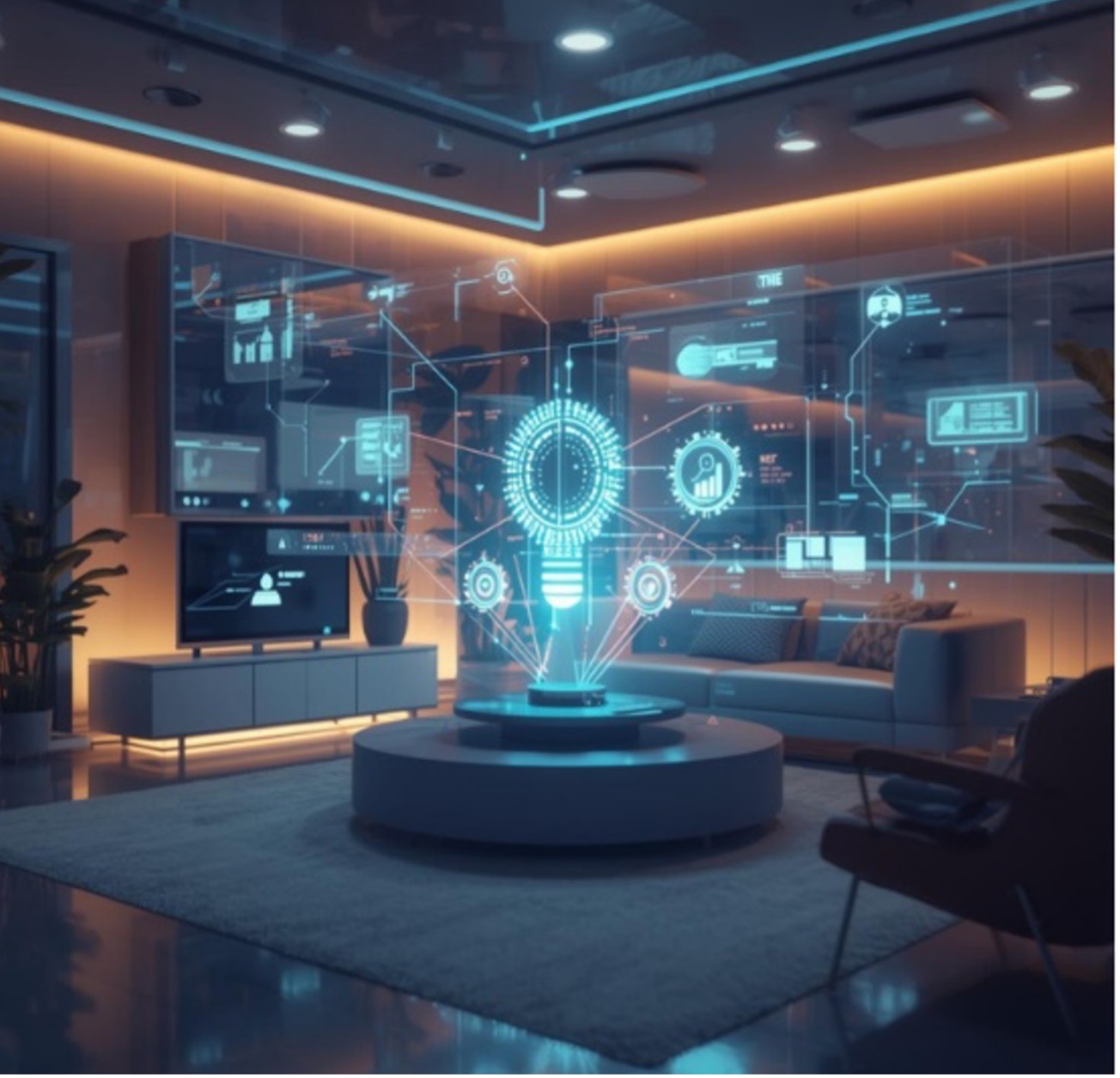
Automatic climate adjustments, curtains responding to daylight, air quality monitored through sensors, security systems controlled remotely — these are no longer “extra” features. They are the natural expectations of modern life.
The concept of a smart home is, in essence, the digitalization of comfort.
The Energy Reality: Efficiency Is No Longer Optional
Rising global energy costs have played a significant role in removing smart home technologies from the “luxury” category. Today, the issue is not merely comfort; it is sustainability and cost control.
Through intelligent curtain systems, smart climate control, and automated scenarios, home energy consumption can be optimized. For instance, curtains that automatically adjust during peak sunlight hours help regulate indoor temperature and reduce reliance on air conditioning. This is not just a technological feature — it is an economic advantage.
At Çeliker Technology, one of our primary focuses in system development has always been energy efficiency. Because the smart home of the future must not only be comfortable, but also conscious.
The New Definition of Comfort: Control
Traditional comfort was once defined purely by physical ease. Today, it is defined by control. Being able to manage your home systems even when you are away, creating time-based automation scenarios, and having your home adapt to your daily routine are no longer privileges — they are expectations.
Smart homes do not burden users; they eliminate repetitive tasks and save time. Curtains that open automatically in the morning, systems that regulate indoor temperature, environments managed with a single touch — these are not luxuries. They are quality-of-life enhancements.
Security and Psychological Comfort
For modern individuals, security is not merely physical — it is psychological. Knowing that you maintain control over your home at all times provides significant peace of mind. Remote access, real-time notifications, and integrated systems give users continuous awareness and control.
This sense of control reflects not luxury, but a fundamental need for security in today’s world.
From Luxury to Standard: An Inevitable Shift
There was a time when internet access was considered a luxury. Underfloor heating was a premium feature. Automatic garage doors were exclusive to high-end properties. Today, many of these are standard.
Smart home technologies are undergoing the same transformation. While they may still be offered as optional features in some projects, they will soon become part of the basic infrastructure. Because user expectations have evolved.
As someone actively producing and developing solutions within this sector, I see a clear pattern: people now ask about “smart infrastructure” before they ask about square meters.
This is not a trend — it is a transformation.
Smart Homes: Not the Future, but the Present
Smart home systems provide energy efficiency, enhanced comfort, increased security, and simplified living. These four pillars alone are enough to demonstrate that smart homes no longer belong in the luxury category.
At Çeliker Technology, our guiding principle has always been clear: technology should be invisible, but its impact should be felt.
Smart homes are no longer a symbol of prestige; they are the foundation of an efficient, sustainable, and controlled way of living.
Conclusion
Today, the real question is no longer whether smart homes are a luxury.
They are not.
The real question is this: Are homes without smart systems falling behind in terms of comfort and efficiency?
What was luxury yesterday is standard today.
And tomorrow, it will be indispensable.